 James Hartley, Principal Surveyor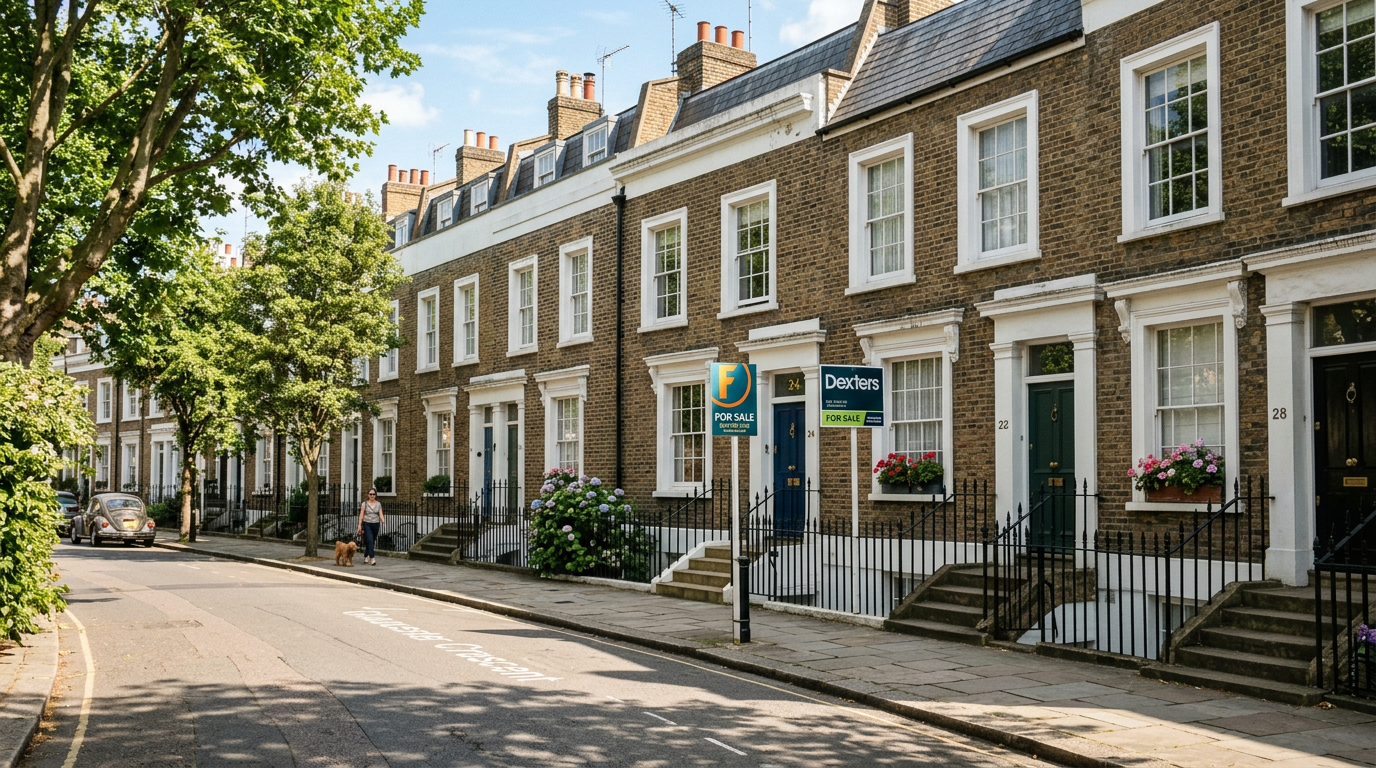
Camden is one of the most fascinating and varied places to buy property in London. Where else can you find a Regency stucco villa a few streets from a warehouse flat conversion, with a Victorian terrace and a 1960s council block in between? This diversity is part of what makes Camden so appealing — and part of what makes buying here more complicated than many other London boroughs.
I've been surveying properties in Camden for over 15 years. In that time, I've seen buyers get it spectacularly right and — more painfully — spectacularly wrong. The difference often comes down to one thing: whether they had the right expert on their side before they signed on the dotted line. This guide shares what I've learned about buying property in Camden, what to watch out for, and how to give yourself the best possible chance of making a purchase you'll be happy with for years to come.
In This Guide
Understanding Camden's Property Stock
Before anything else, it's worth understanding what kinds of property you're likely to encounter when buying in Camden. The borough covers a huge range of architectural periods and property types:
- Georgian (pre-1840): Found primarily in Primrose Hill, Regent's Park, and parts of Camden Town. Typically stock brick, often listed, with high ceilings and large windows. Beautiful but maintenance-intensive.
- Victorian (1840–1901): The dominant building type across Camden, Kentish Town, and Belsize Park. Mostly solid brick construction (no cavity), with slate roofs, timber floors, and sash windows. Prone to damp in older examples.
- Edwardian (1901–1914): Similar to Victorian but with slightly wider plots, better sanitation, and often bay windows. Increasingly common in Hampstead and Gospel Oak.
- Interwar (1919–1939): Mix of purpose-built mansion flats (common in Swiss Cottage and Belsize Park) and semi-detached houses. Generally more robust than earlier periods.
- Post-war and modern: Found across the borough, including significant 1960s–80s blocks in Kentish Town and Camden Town. Construction quality varies enormously.
Common Defects in Camden Properties
After surveying hundreds of properties in Camden, here are the defects I see most frequently:
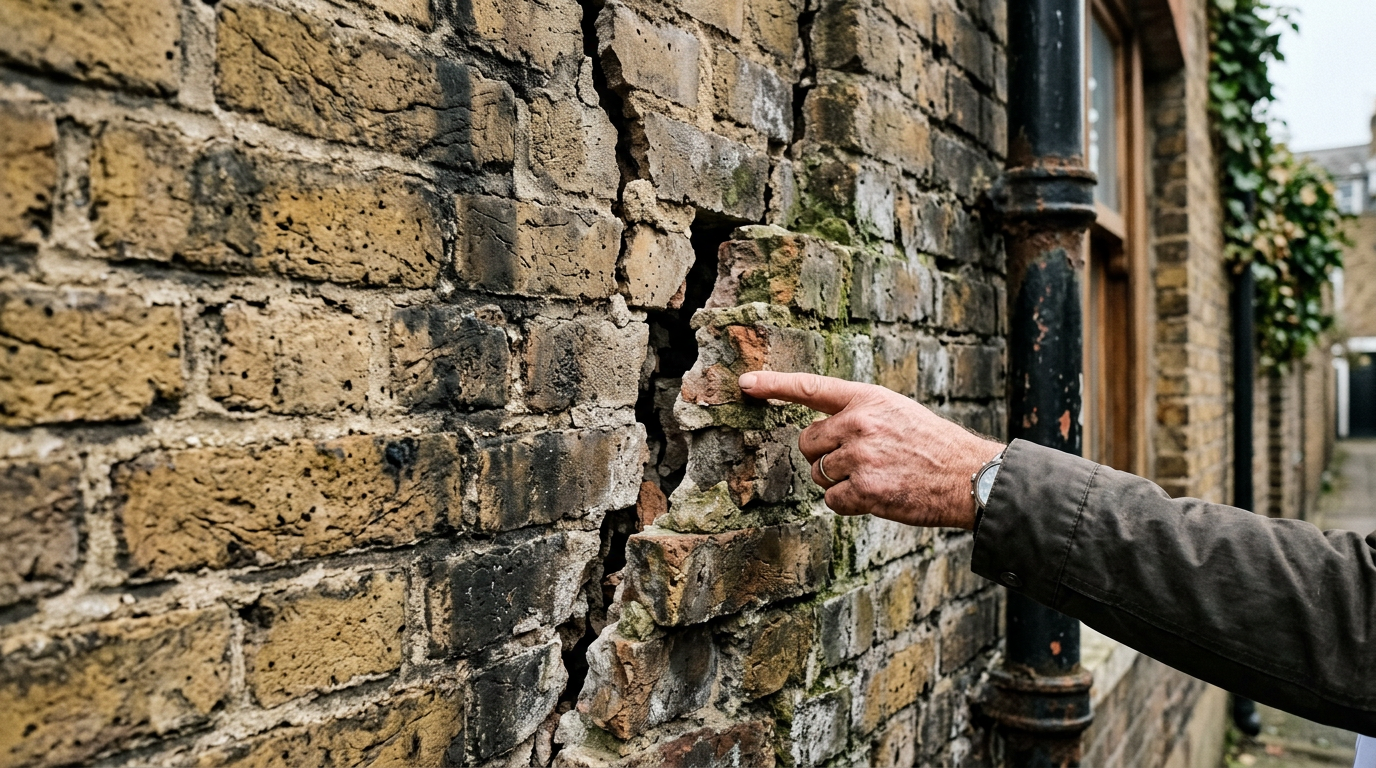
- Solid wall damp: Victorian terraces have no cavity. Rain-driven damp on exposed flank walls and penetrating damp through window reveals is very common. In basement conversions, this is often severe.
- Roof defects: Aged or failed roof coverings, particularly on bay window roofs (often lead or felt), failing flat roofs over rear extensions, and defective chimney stacks are all extremely common in Camden's Victorian stock.
- Subsidence and settlement: Camden has a range of subsoils, including made ground in some areas, which can lead to differential settlement. Tree-related subsidence (particularly from large London planes and willows) is a known risk in parts of the borough.
- Timber decay: Wet rot in window frames, fascias, soffits, and ground floor joists is present in a high proportion of Camden's older properties.
- Out-of-date services: Lead pipework (present in many pre-1970s properties), old wiring, and unvented hot water systems are all frequently encountered in Camden.
- Party wall issues: Previous unauthorised works to shared walls — chimney breast removals without consent, beam insertions without notice — are more common than buyers expect.
Getting the Right Survey
Given the age and complexity of most Camden properties, I almost always recommend a RICS Level 3 Full Building Survey for pre-1970s properties in the borough. The Level 2 homebuyer report simply doesn't have the depth to do justice to the hidden complexities of a solid-wall Victorian terrace, a Georgian townhouse, or a warehouse conversion.
The Level 3 survey will give you a detailed written analysis of every element of the building, including any defects, their likely causes, the risks they pose, and advice on how they should be addressed. This is the document you'll use to make an informed decision about whether to proceed with the purchase — and if so, at what price.
Listed Buildings and Conservation Areas
A significant proportion of Camden's housing stock is either listed or sits within a conservation area. Both statuses have major implications for what you can do to the property — and both require specialist surveying knowledge to navigate properly.
Grade II listed buildings (the most common designation) require Listed Building Consent for any works that affect their special character — both inside and outside. This includes things you might assume are routine, like replacing windows, altering a fireplace, or changing the roofing materials. The planning enforcement team at Camden Council is active in pursuing unauthorised works to listed buildings, and the consequences of getting it wrong can be serious.
If you're buying a listed building in Camden, I strongly recommend commissioning a full Level 3 survey from a surveyor who has specific experience in listed buildings. We have extensive experience in this area and can advise you on both the condition of the building and the consents you'll need for any future works.
Leasehold Pitfalls in Camden
A large proportion of flats in Camden are leasehold. Before you buy a leasehold property, there are several crucial things to check:
- Lease length: Leases below 80 years become increasingly expensive to extend and difficult to mortgage. Many Camden flats have older leases that are approaching this threshold.
- Service charge history: Ask for three years' worth of service charge accounts and look carefully for any major works that have been done or are planned. A large scheduled works programme can hit leaseholders with bills of tens of thousands of pounds.
- Building insurance: Check that the freeholder's building insurance is adequate and that you understand what it covers.
- Freeholder quality: Some Camden freeholders maintain their buildings well; others don't. The track record of the freeholder or managing agent matters enormously to the long-term value and livability of your property.
Using Your Survey to Negotiate
One of the most tangible benefits of commissioning a good building survey is the leverage it gives you in negotiation. Once a survey has identified defects — whether it's a failing flat roof, a serious damp problem, or evidence of structural movement — you have documented, expert evidence to support a price reduction or a request that the seller carries out repairs before completion.
In my experience, buyers who commission a good survey and use it effectively in negotiation regularly achieve reductions of £5,000–£30,000 on Camden properties. The survey fee pays for itself many times over.
FAQ: Buying Property in Camden
In my experience, damp — in its various forms — is the most frequently encountered defect in Camden's Victorian and Edwardian housing stock. This is followed by roof defects (particularly to flat and pitched bay extensions), timber decay in external joinery, and issues relating to previous unauthorised alterations.
You can commission a survey at any stage after the offer is accepted, but before you exchange contracts. Most buyers commission the survey early in the conveyancing process, so they have the findings in hand before legal fees and searches mount up. We try to work quickly to ensure our surveys don't hold up your chain.
Ready to Buy in Camden?
Get in touch with our team of chartered surveyors for expert advice on your Camden property purchase. We'll recommend the right survey, work to your timescale, and give you the information you need to make an informed decision.