 James Hartley, Principal Surveyor
If you're buying a property in Camden — or anywhere else in England and Wales — one of the first questions you'll face is: which survey do I actually need? The answer matters more than most buyers realise. Choose the wrong type of survey and you could exchange contracts on a property with serious defects that your survey completely missed.
I've been surveying properties in Camden for over 15 years. In that time, I've seen buyers lose tens of thousands of pounds because they chose a Level 2 homebuyer report when the property really needed a full Level 3 investigation. I've also seen buyers pay for a Level 3 survey on a near-new flat that only needed a Level 2. Getting this decision right from the start is crucial — and it's exactly what this guide is here to help you with.
In This Guide
What is a RICS Level 2 Homebuyer Survey?
The RICS Level 2 Home Survey (previously called the HomeBuyer Report) is designed to give you a clear, accessible overview of the property's condition. It's the middle ground between a basic mortgage valuation and a full structural investigation.
The report uses a simple traffic-light condition rating system — 1 (no repair needed), 2 (repair or replacement needed), 3 (urgent attention required) — to assess each element of the building. This makes it easy to identify at a glance which parts of the property need attention.
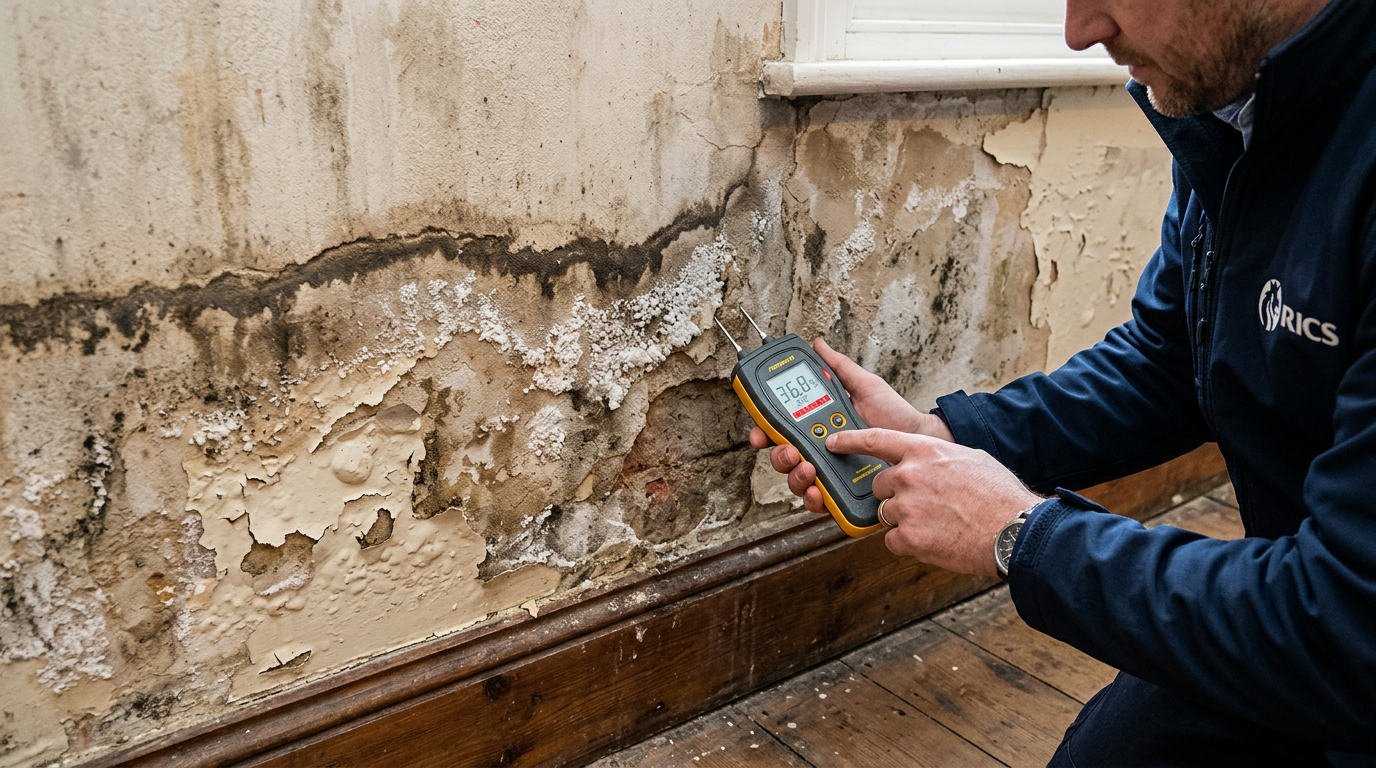
A Level 2 survey typically covers the main visible elements of the property: the roof (where accessible), walls, floors, ceilings, windows, doors, chimney, drainage, and services. The surveyor won't lift floorboards or move furniture, but they will test for damp using a moisture meter and check for visible signs of structural movement.
"The Level 2 survey is a really powerful tool when it's used in the right context. It's not a compromise — it's simply the right tool for the right job."
What is a RICS Level 3 Full Building Survey?
The RICS Level 3 Building Survey is our most thorough survey product. Previously called the Building Survey or Structural Survey, it provides a deep, detailed investigation of the property's construction, condition, and any defects that are present.
Unlike the Level 2, the Level 3 survey describes in detail what defects were found, why they've occurred, what risks they pose, and what needs to be done to fix them — including approximate costs. It's a much longer document, typically 30–80 pages compared to the 10–15 pages of a Level 2 report.
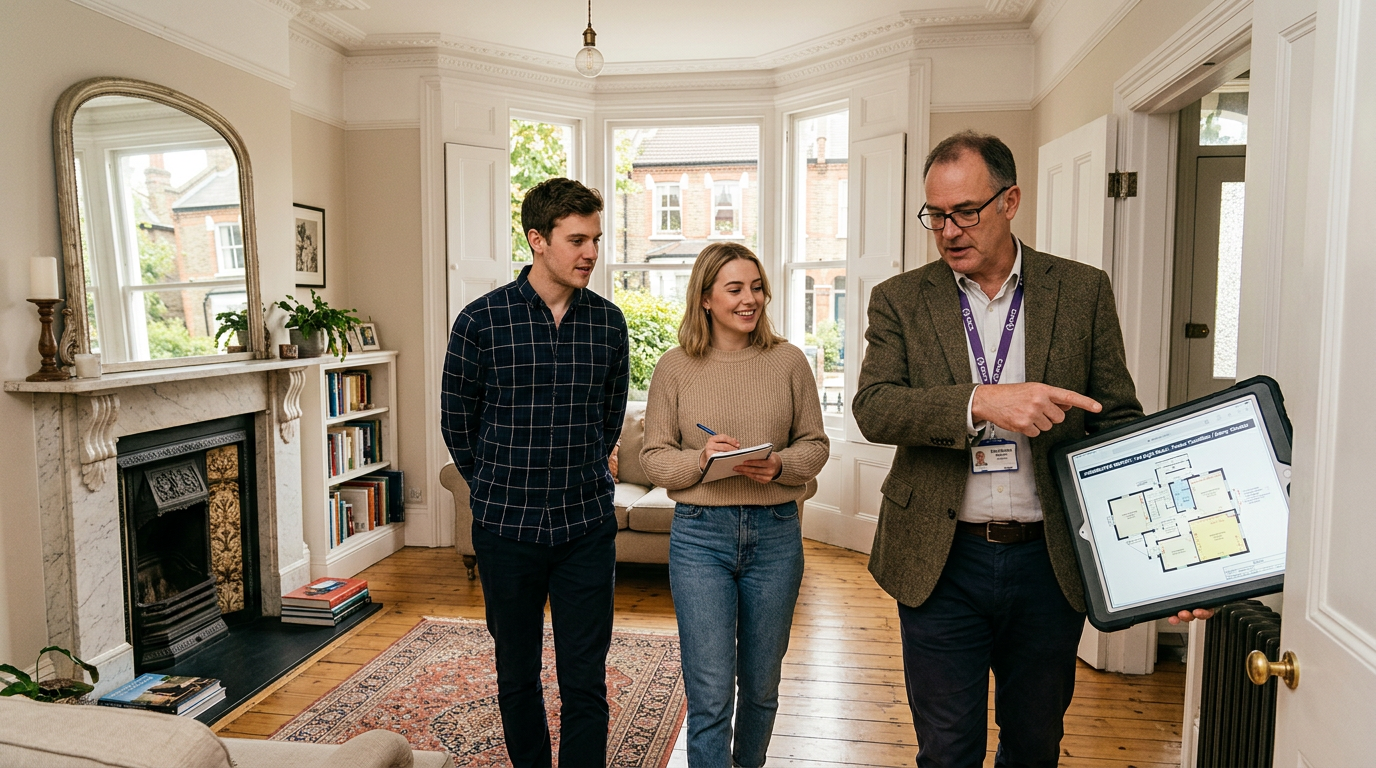
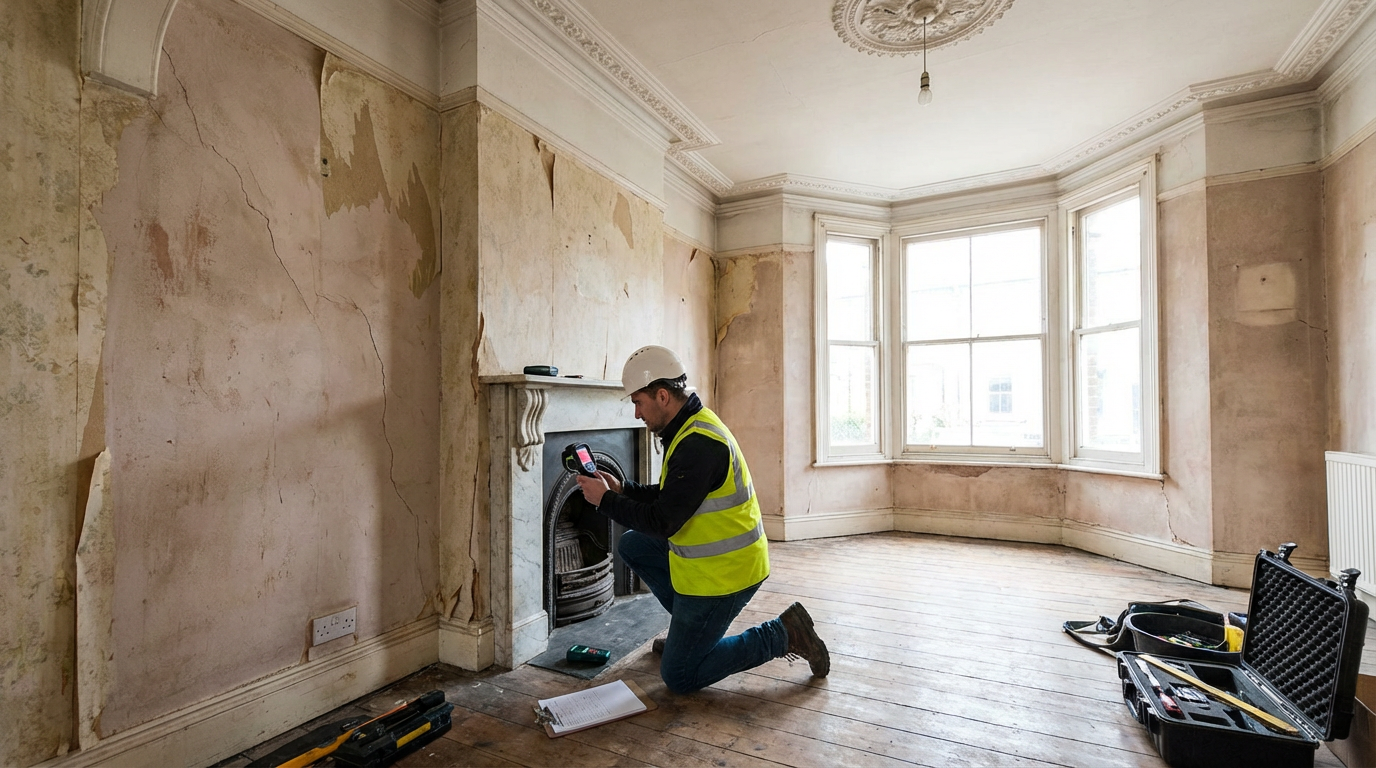
The Level 3 surveyor will inspect areas that the Level 2 surveyor would not routinely access. They'll look inside the loft space, examine the floor void where accessible, test drainage systems, and probe mortar joints. They'll look not just at what is visible, but at what is implied by the visible evidence.
The Key Differences Explained
Here's a straightforward summary of the main differences between the two types of survey:
- Depth of investigation: The Level 3 goes significantly deeper into the construction history, building materials, and defect analysis. The Level 2 gives an overview.
- Remediation advice: The Level 3 includes specific advice on how defects should be fixed and what the likely costs might be. The Level 2 notes defects but doesn't typically give cost estimates.
- Length: Level 2 reports are concise (10–20 pages). Level 3 reports are comprehensive (30–80 pages).
- Cost: Level 3 surveys cost more, typically by £200–£500 depending on the property.
- Best for: Level 2 is for standard, reasonably well-maintained properties. Level 3 is for older, unusual, or potentially problematic properties.
When to Choose a Level 2 Survey
A Level 2 homebuyer survey is the right choice when:
- The property is a modern, purpose-built flat (post-1980s)
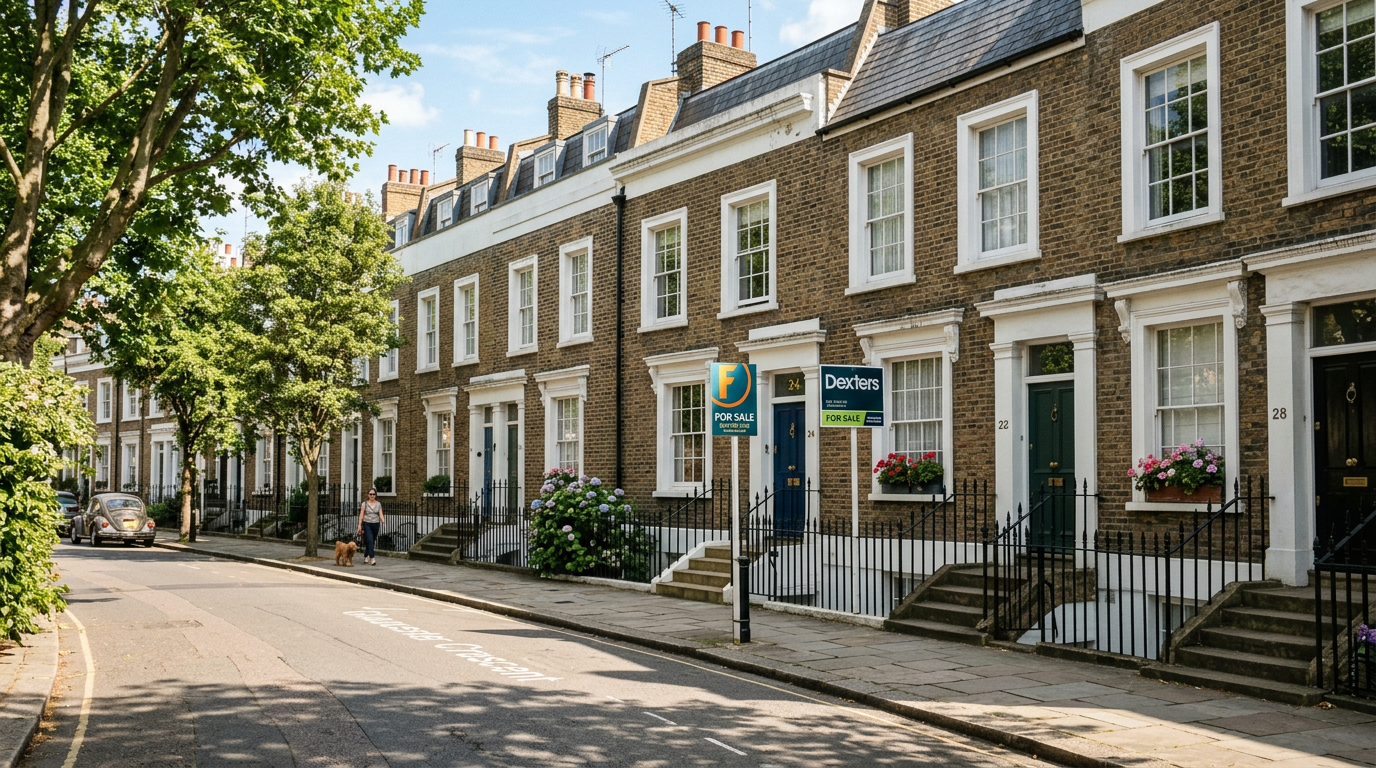
- The property is a standard Victorian or Edwardian terrace with no obvious major issues or alterations
- The property appears to be in good condition with no visible signs of significant defects
- You have some experience of buying property and are comfortable interpreting a condition-rated report
- Budget is a genuine constraint and the property is relatively low-risk
When to Choose a Level 3 Survey
The Level 3 full building survey is almost always the right choice when:
- The property is pre-1930s (which describes a huge proportion of Camden's housing stock)
- The property is of unusual or non-standard construction (e.g., timber frame, concrete panels, converted warehouse)
- You've spotted any cracks, damp patches, uneven floors, or other warning signs
- The property has been significantly extended or altered
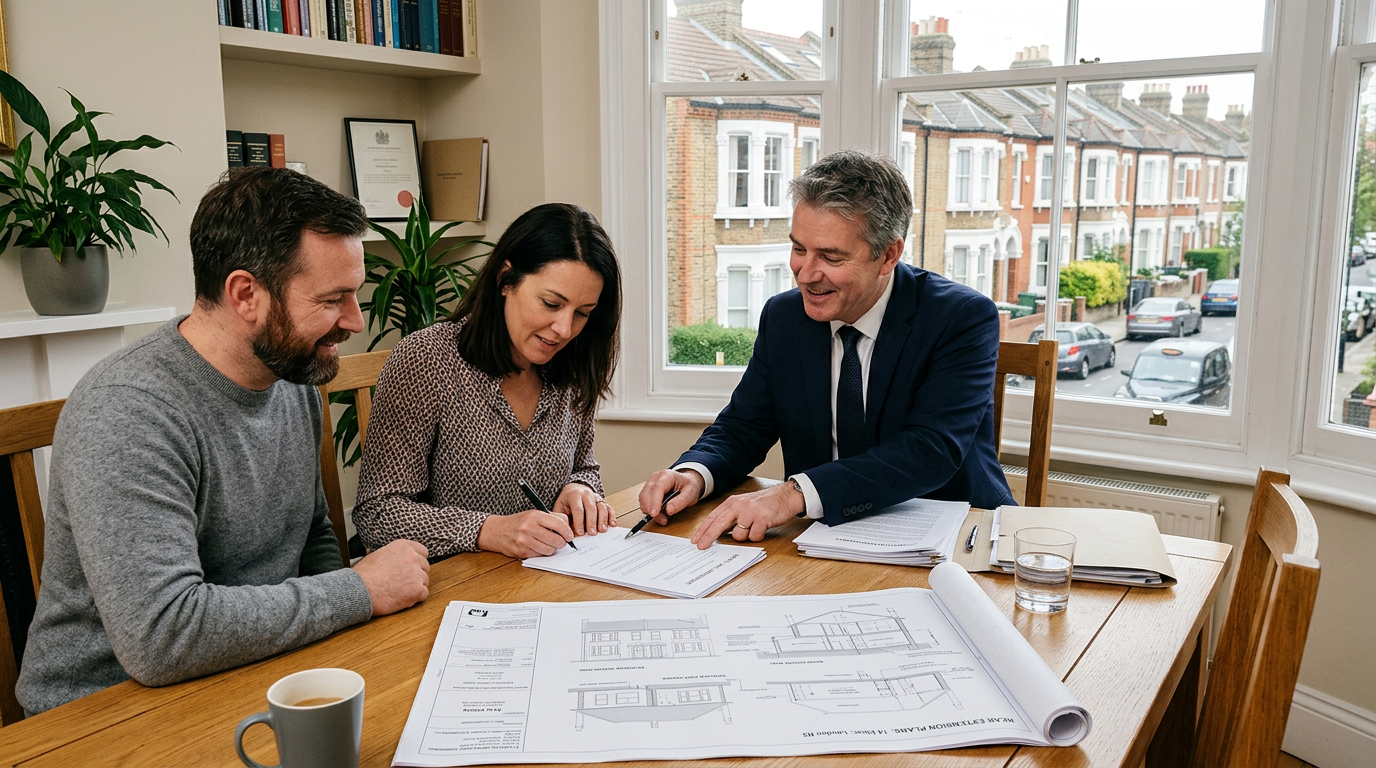
- You plan to carry out major renovation works
- The property is a listed building or in a conservation area
- You want to use the survey report as a negotiating tool
Real Examples from Camden Properties
Let me share a couple of real examples from properties I've surveyed in Camden that illustrate why this decision matters so much.
Example 1 — Victorian Terrace, Kentish Town: A first-time buyer came to us wanting a Level 2 survey on an 1890s end-of-terrace house in Kentish Town. We advised a Level 3 instead. The Level 3 investigation revealed extensive wet rot in the ground-floor timber joists (hidden beneath recently relaid tiles), cracking to the rear flank wall suggesting possible differential settlement, and lead pipe work throughout. The buyer used the findings to negotiate £22,000 off the asking price and budgeted properly for the works needed.
Example 2 — 1990s Purpose-Built Flat, Swiss Cottage: A buyer purchasing a two-bedroom flat in a 1990s purpose-built block asked us whether they needed a Level 3. We advised a Level 2 homebuyer survey was appropriate. The report was clean, with only minor maintenance items flagged, and the buyer completed the purchase with confidence. A Level 3 would have been an unnecessary expense.
What Each Survey Costs in Camden
Survey costs depend on the property's size, age, and complexity. As a general guide for properties in Camden:
- RICS Level 2 Homebuyer Report: from £400–£700
- RICS Level 3 Full Building Survey: from £600–£1,200
The extra cost of a Level 3 survey is almost always worth paying on an older Camden property. A single defect identified in the survey can save many times the survey fee in negotiated reductions or avoided remediation costs.
Frequently Asked Questions
Yes — as long as we haven't already carried out the inspection, we can upgrade your survey type. Just let us know as soon as possible and we'll adjust the booking and quote accordingly.
The Level 2 Homebuyer Report can include a market valuation and a reinstatement cost assessment (for buildings insurance) as optional extras. The Level 3 building survey does not typically include a valuation, but you can commission one separately from our valuations team.
A previous buyer's survey cannot be relied upon. It was commissioned for their benefit, not yours, and you would have no legal recourse if it proved inaccurate. Always commission your own independent survey.
Not Sure Which Survey You Need?
Call us or fill in our quick form and we'll advise you based on the specific property you're buying. No sales pressure — just honest, expert advice from your local Camden surveyors.